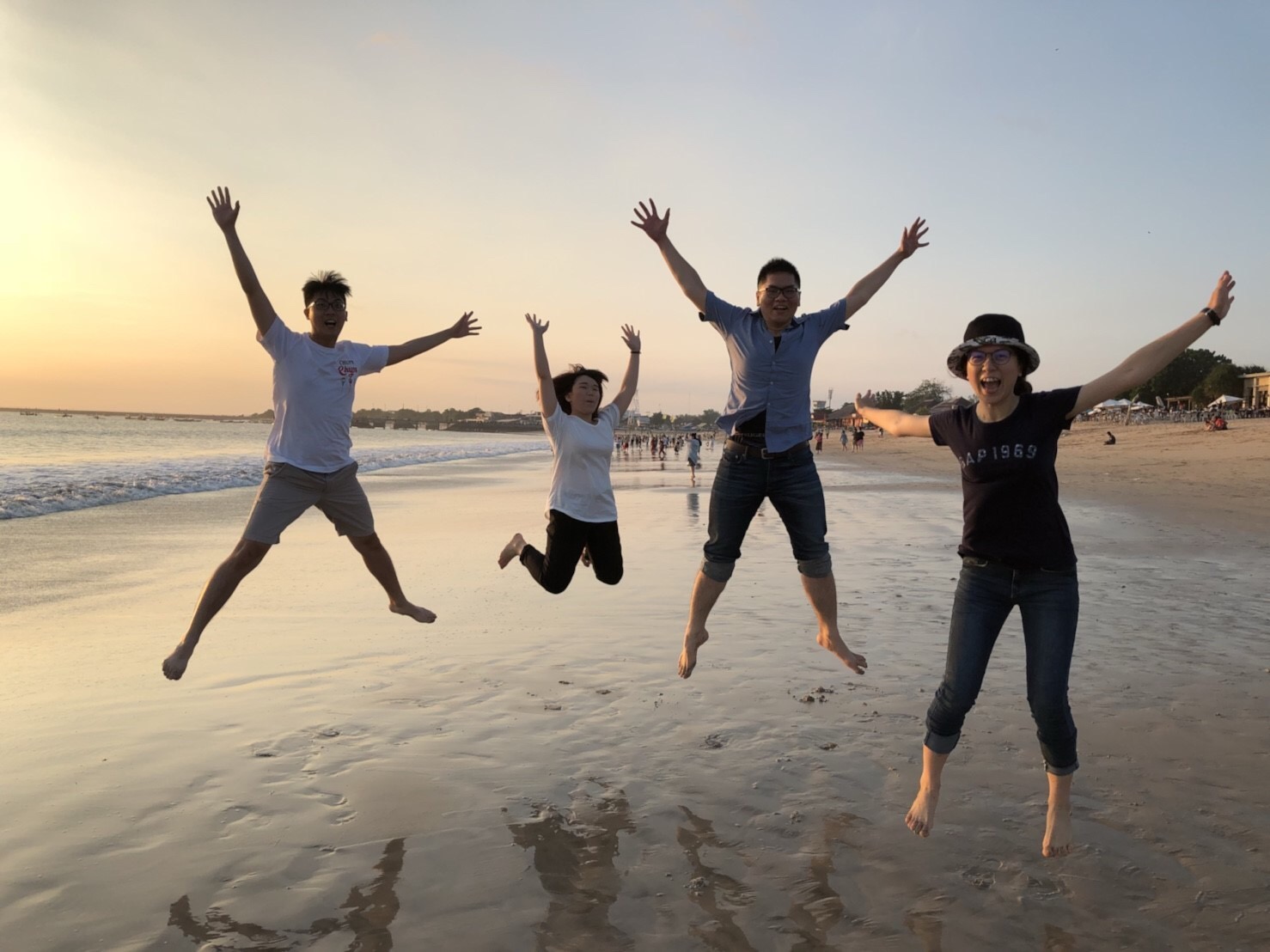
Bali Island is a world-famous tourist island. It is one of the 33 first-level administrative regions of Indonesia. Most of Bali is mountainous. The terrain is high in the east and low in the west. The highest peak on the island is the Agung volcano at an altitude of 3,142 meters. Bali is the only region in Indonesia that believes in Hinduism. 80% believe in Hinduism. The main languages spoken are Indonesian and English.
Day 1: Pick up at the airport according to the arrival time of the passenger, then send it to the hotel to help check in.
Breakfast at the hotel
Day 2: First stop
Campuhan walk
The Campuhan Ridge Walk is a thatched road on both sides. It is located in Ubud and is about 4 kilometers long. It is very long, but it does not need to be completed. It can be done according to individual strength. Here, you can slowly enjoy the beauty of this midway and it is a new attraction in Bali.
Lunch (dirty duck meal)
Dirty Duck Restaurant is one of Ubud's signature restaurants. The hotel is situated between a rice field and an idyllic setting. Typical Balinese architecture. Duck practices are also very distinctive. It is a great place to eat and chat. Dirty duck should be regarded as the most famous special dish in Bali. The duck is roasted brown. The crispy duck can be torn off by hand. It has no greasy feeling in the mouth. What is even more rare is that there is no such thing. Duck astringency. The restaurant is located in Ubud, and the restaurant is under the corridor of the whole rice field. The environment is very beautiful.
Second stop to Ubud Palace and Ubud Market
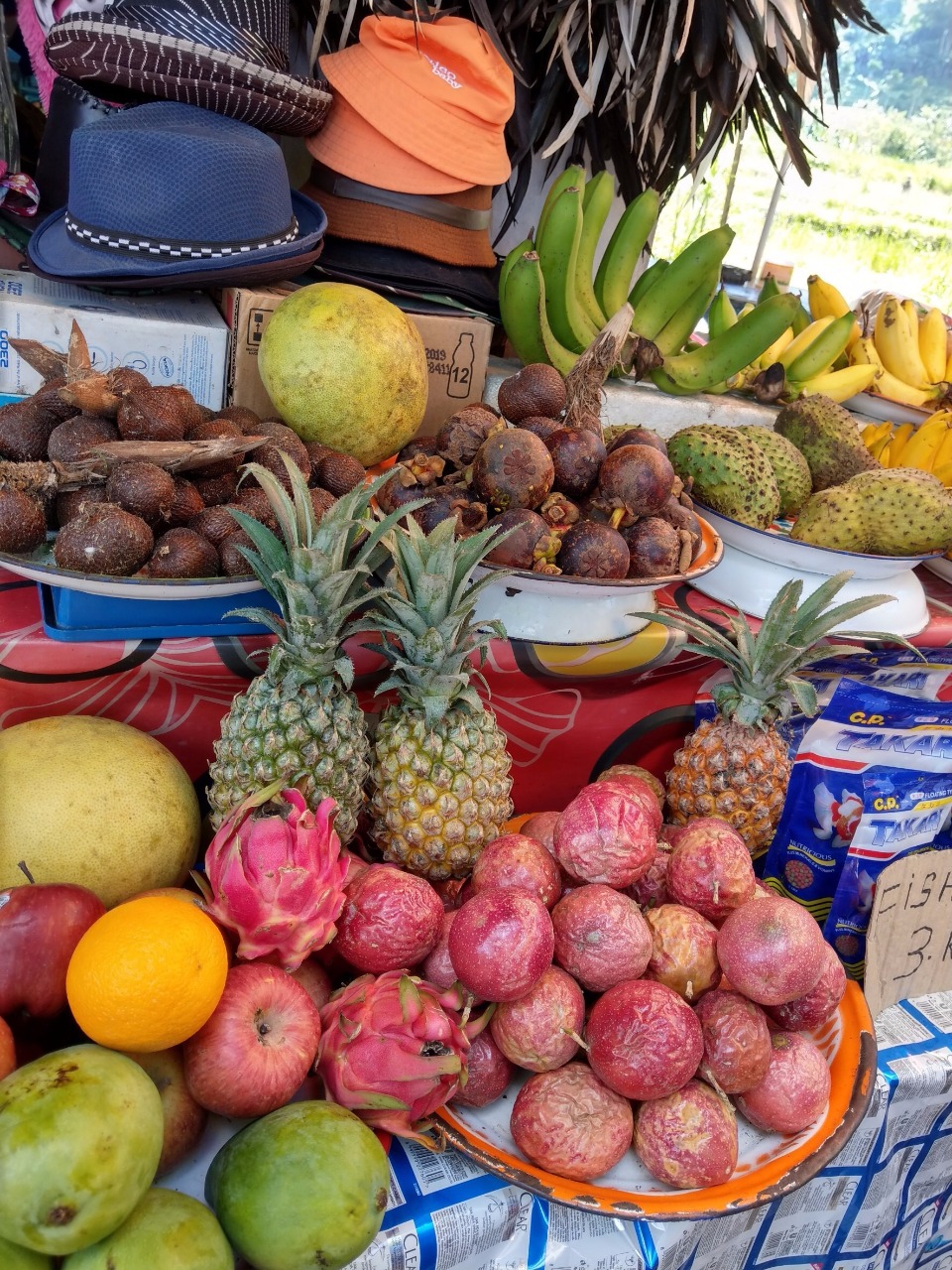
The traditional Ubud market, Pasar Ubud, is located in the center of downtown Ubud. The palace is directly opposite a two-storey building with a very large area. Since the filming of the previous years has made the traditional market even more famous, the Indonesian government has re-planned this place. At present, the building area closer to the intersection of the Imperial Palace is completely planned into the Art Market, and the latter area is retained. Some traditional vegetable markets selling vegetables and fruits, simply put, Pasar Ubud, which used to be the vegetable market in the morning, has now transformed into an Art Market that sells art.
Day 3 First Station Tanah Lot Temple
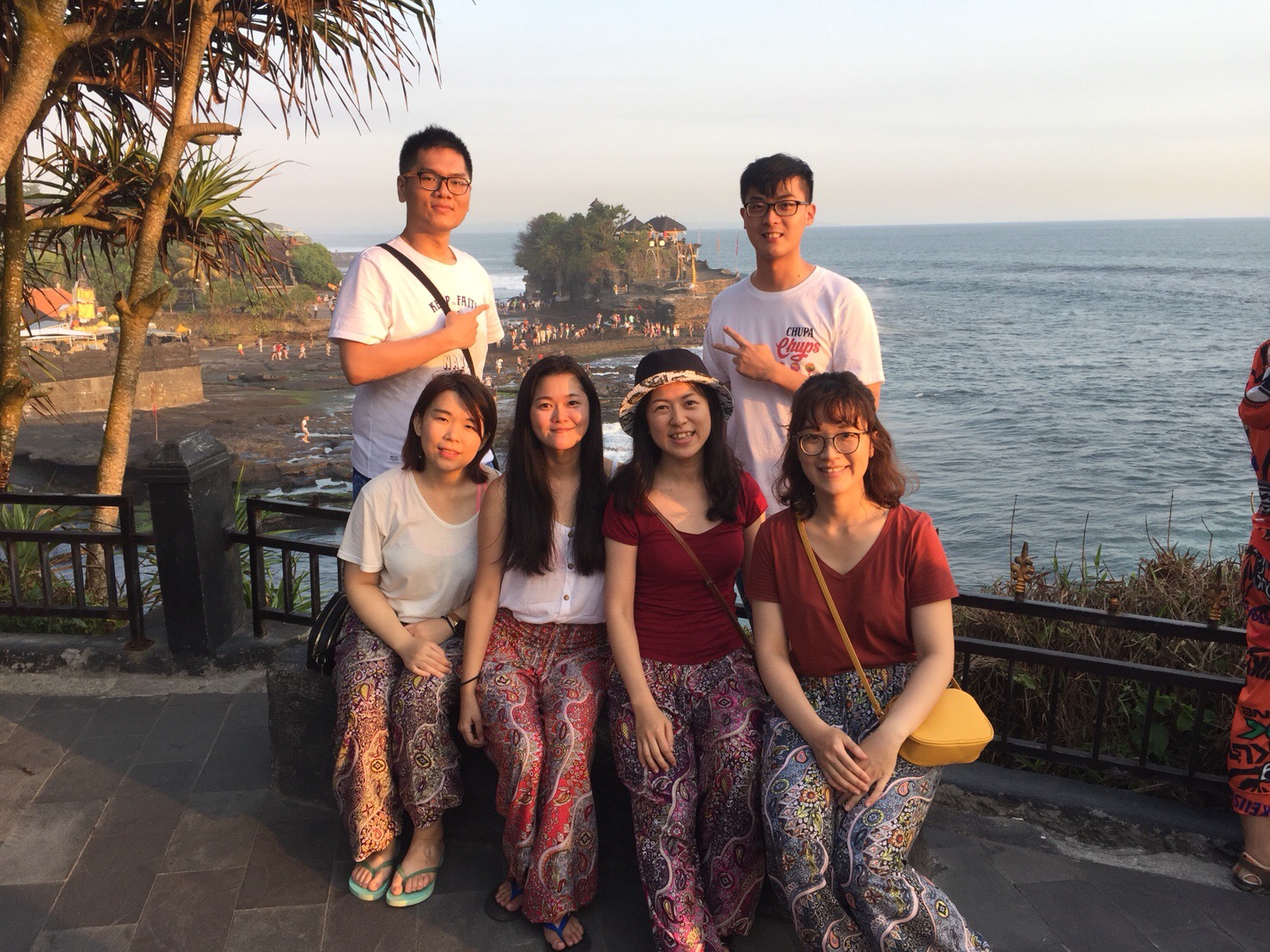
The Tanah Lot Temple is one of the seven coastal temples on the island of Bali. Each of them is within the reach of each other's vision, forming a group of temples on the southwest coast.
The Tanah Lot Temple was said to have been built by a priest in the 15th century, Danghyang Nirartha. When he was visiting the South, he decided to rest here because he saw a dazzling light from the rocks. Nirartha thought that this place was a holy place to worship the sea god, and then told the fishermen to build the temple on the rock. In the next few centuries, the Tanah Lot became part of the Myth of Bali. It was said that when the temple was built, it was hit by the storm. When it was in jeopardy, Nirartha untied the belt of the body and threw it into the sea. Change into a sea snake to protect the temple from invasion. In addition, it is said that the black and white sea snakes in the sea caves at the base of the Tanah Lot will guard the temple to prevent harassment by evil spirits and intruders.
Day 3 Second stop Lovers Cliff
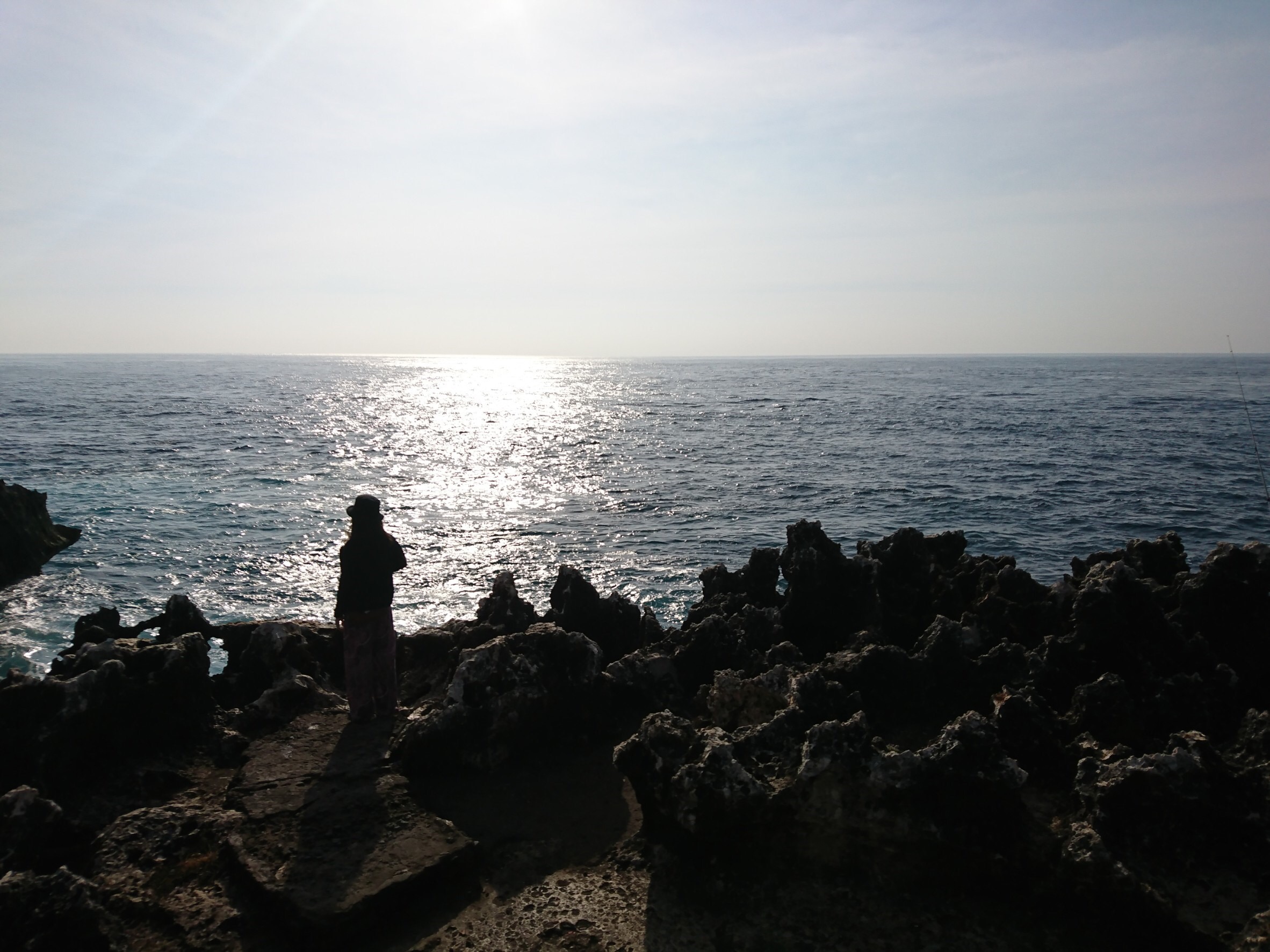
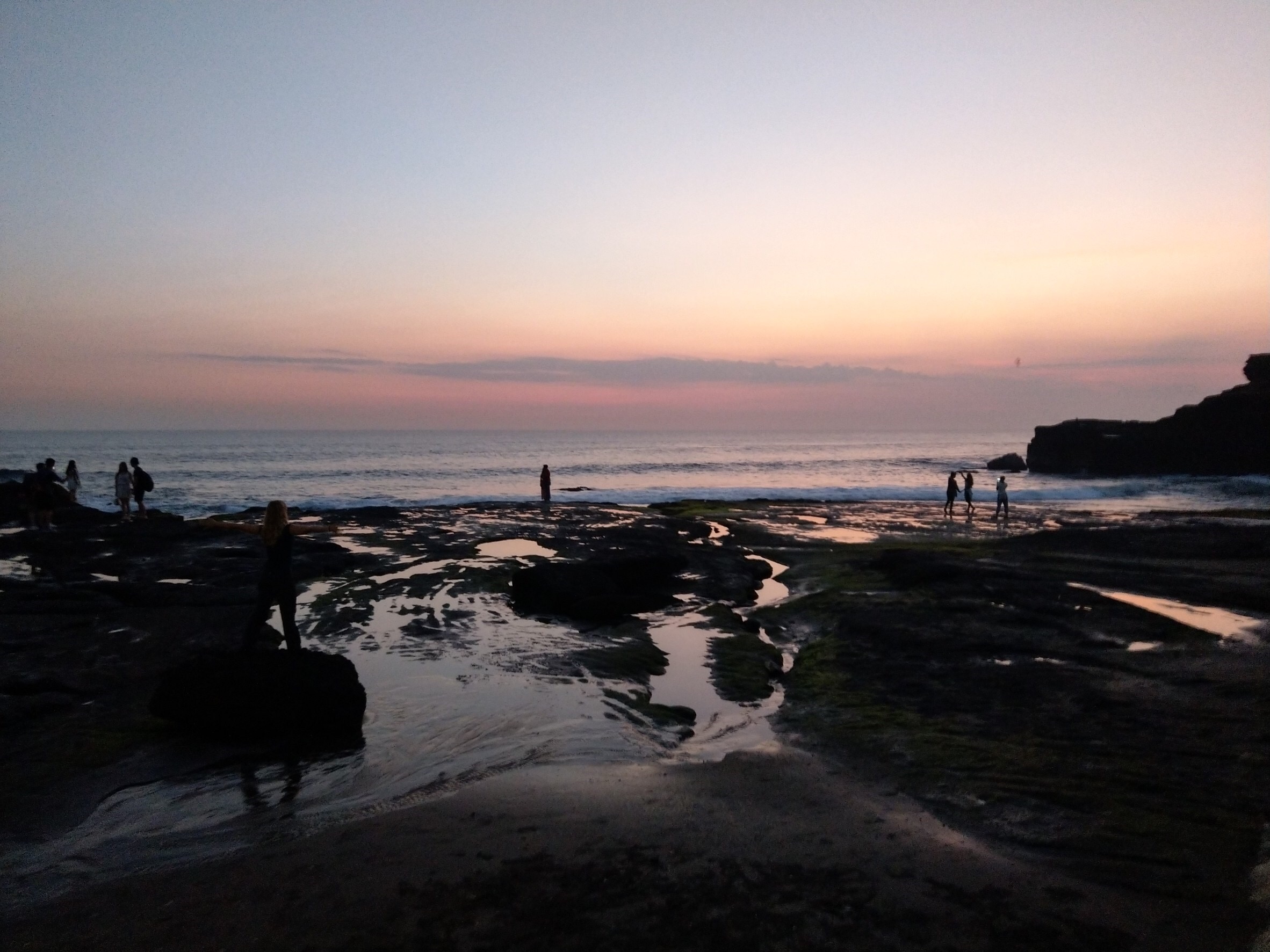
PURA LUHUR ULU WATU is located at the southernmost tip of Bali, also known as the Lovers Cliff. It is not far from Nusa Dua. In the west, it is a place to watch the sunset. The lover's cliff, the waves beat the cliff, the seabirds soar in the sunset, the scenery is very charming. Although the wind is very large, it is worth seeing when you see such a stunning scenery. The monkeys here are very fierce and they like to grab the things in the hands of tourists. The Uluwatu Cliff has three names: Cliff, Lovers Cliff and Wangfu Cliff.
Day 3 Third stop Jimbaran seaside
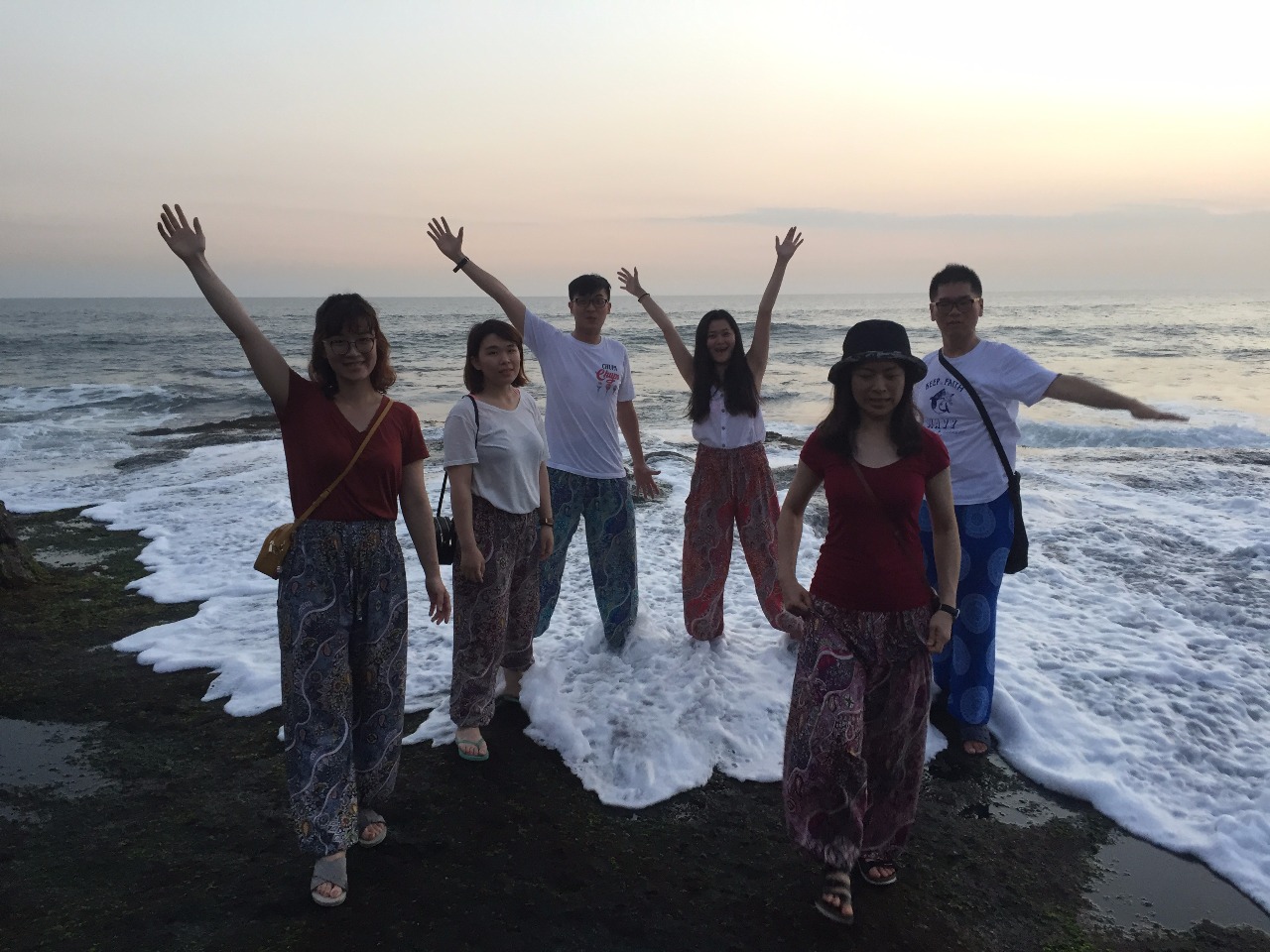
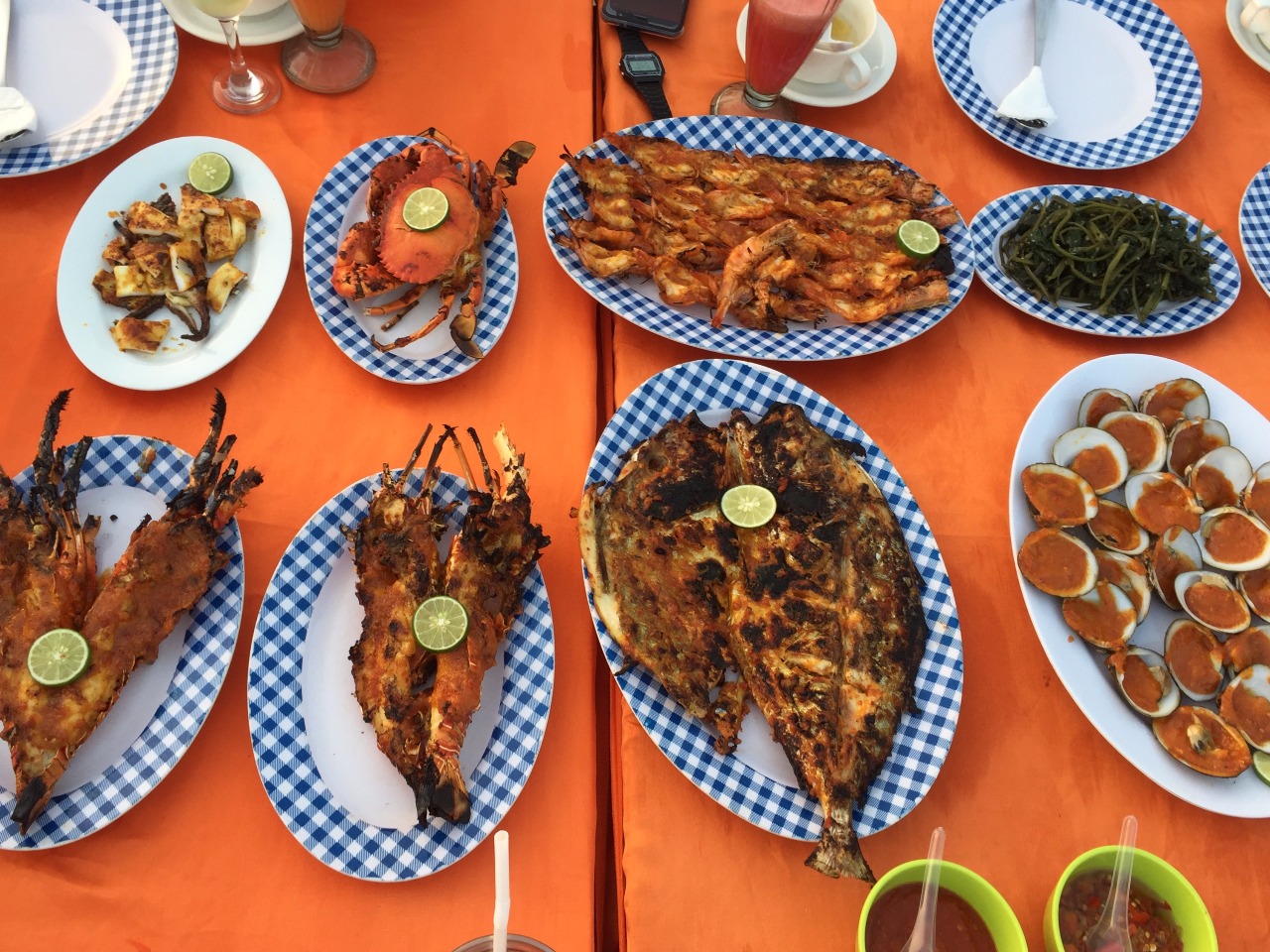
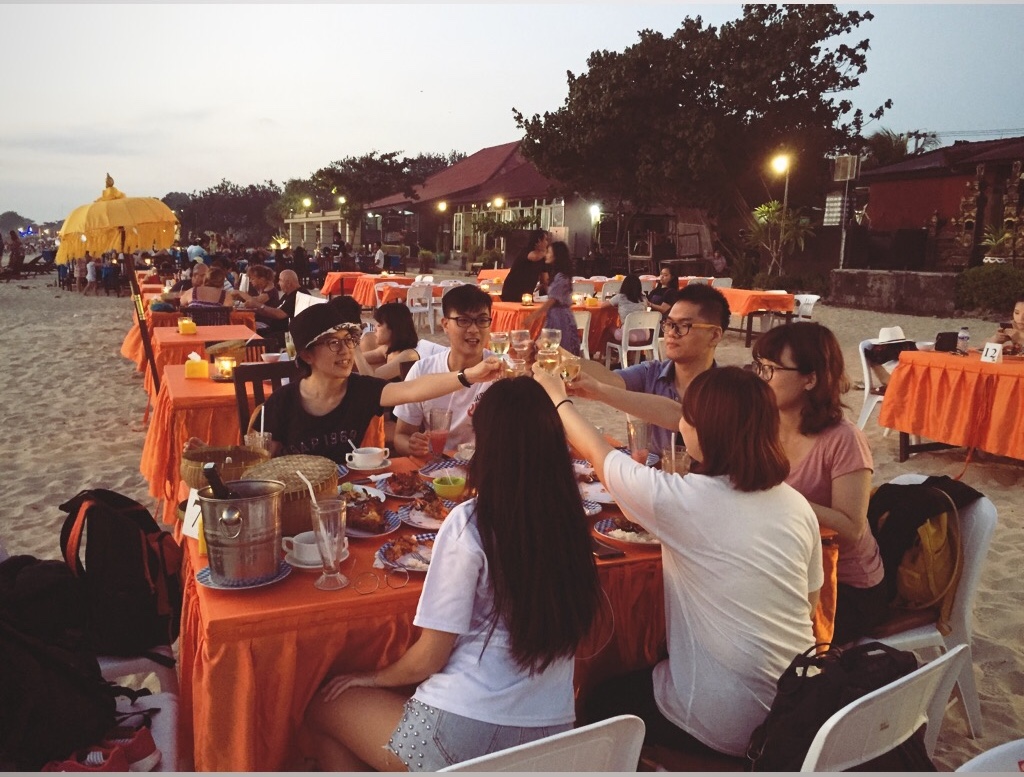
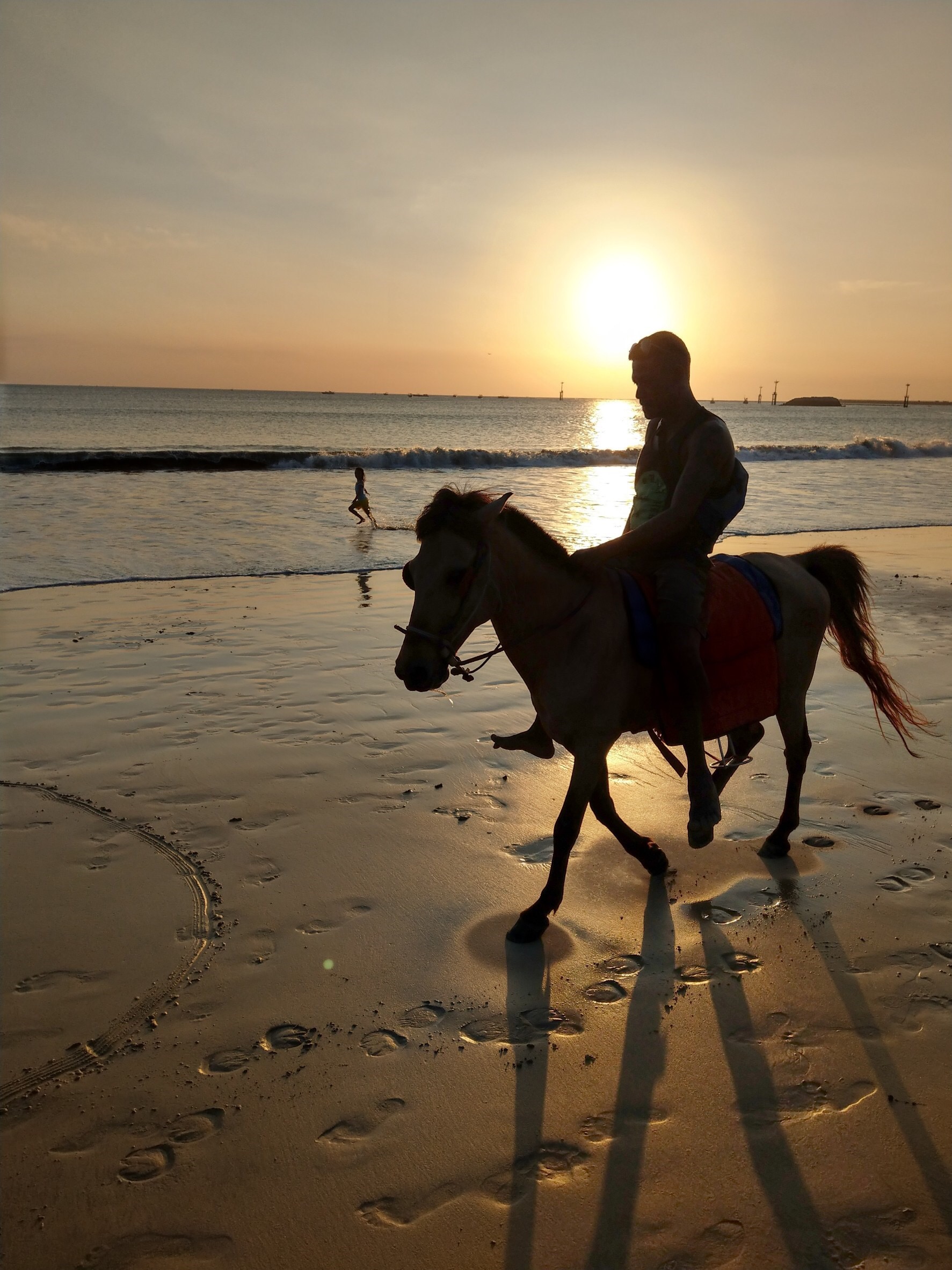
Jimbaran Beach is one of the most intimate beaches in Bali. It turned out to be a small fishing village, home to the most pristine villagers on the island. Since the beautiful hotel was built up, it has attracted a large number of Europeans who like nature to come on holiday. What is commendable is that these commercial activities have not ruined the original style of the small fishing village. Instead, the villagers used their unique enthusiasm and simplicity to make the whole beach very friendly.
Day 4 Free time
During free time, you can choose to stay in the hotel you are staying in, or go to a nearby restaurant or the seaside to experience the local ethnic customs.
Day 5 First stop Kuta seaside
Kuta Beach is known as the most beautiful coast on Bali. The beach is flat, the sand is white and delicate, and it is a paradise for surfing and skateboarding. There are lively commercial streets nearby, various Balinese traditional handicrafts, beautiful national costumes, and large department stores to buy all kinds of goods. It used to be a small village between Batang and Bujiberin Sula, and it has now become a bustling tourist destination.
Day 5 Second stop Kuta Street
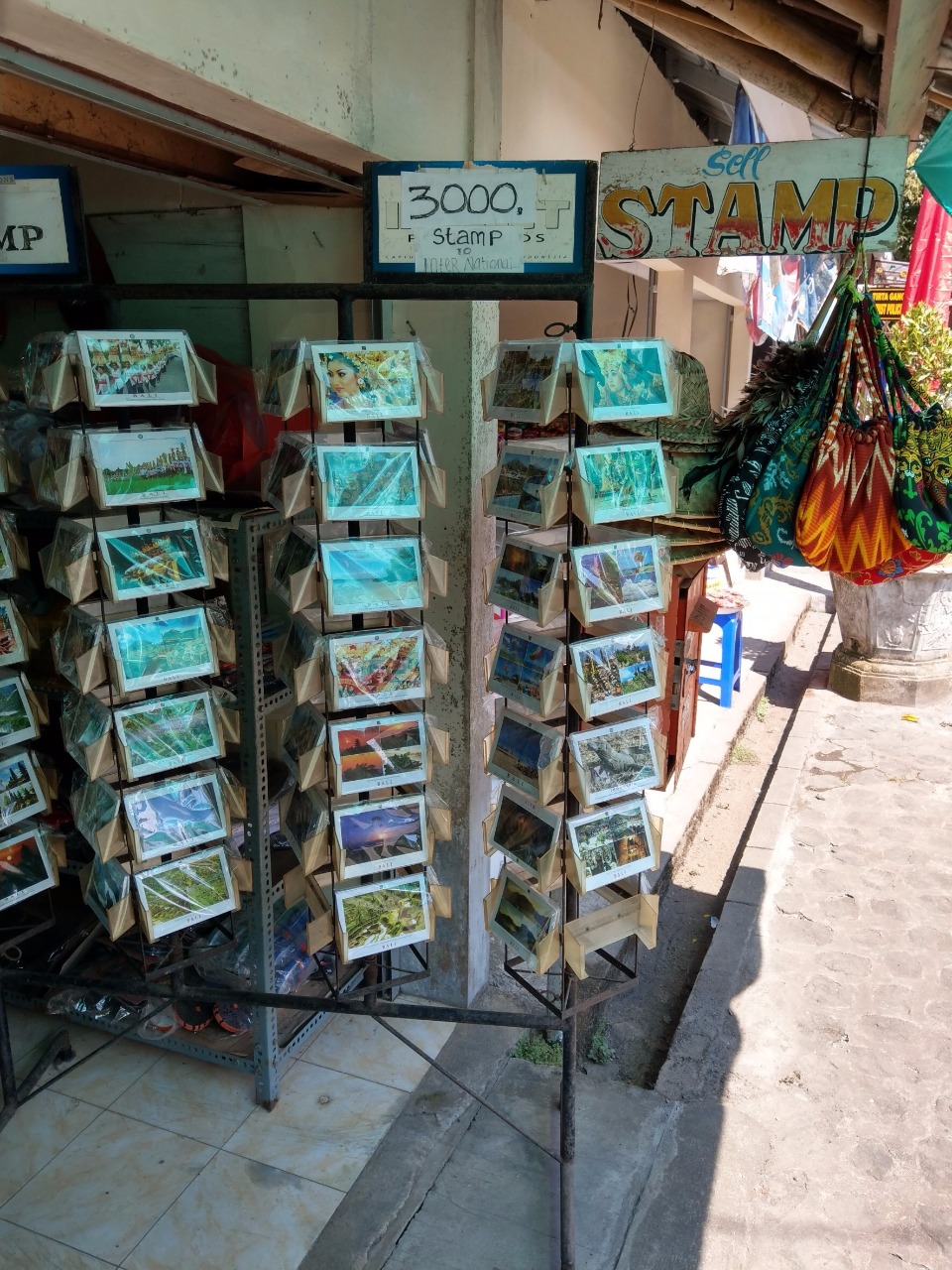
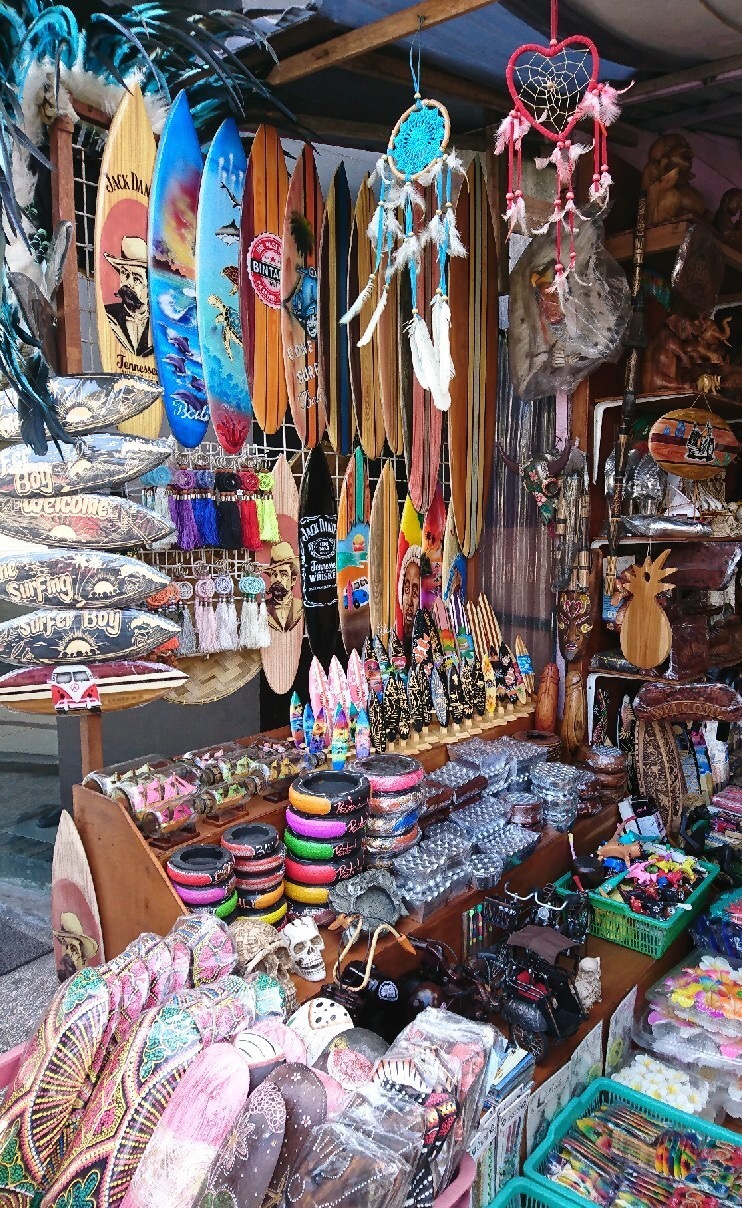
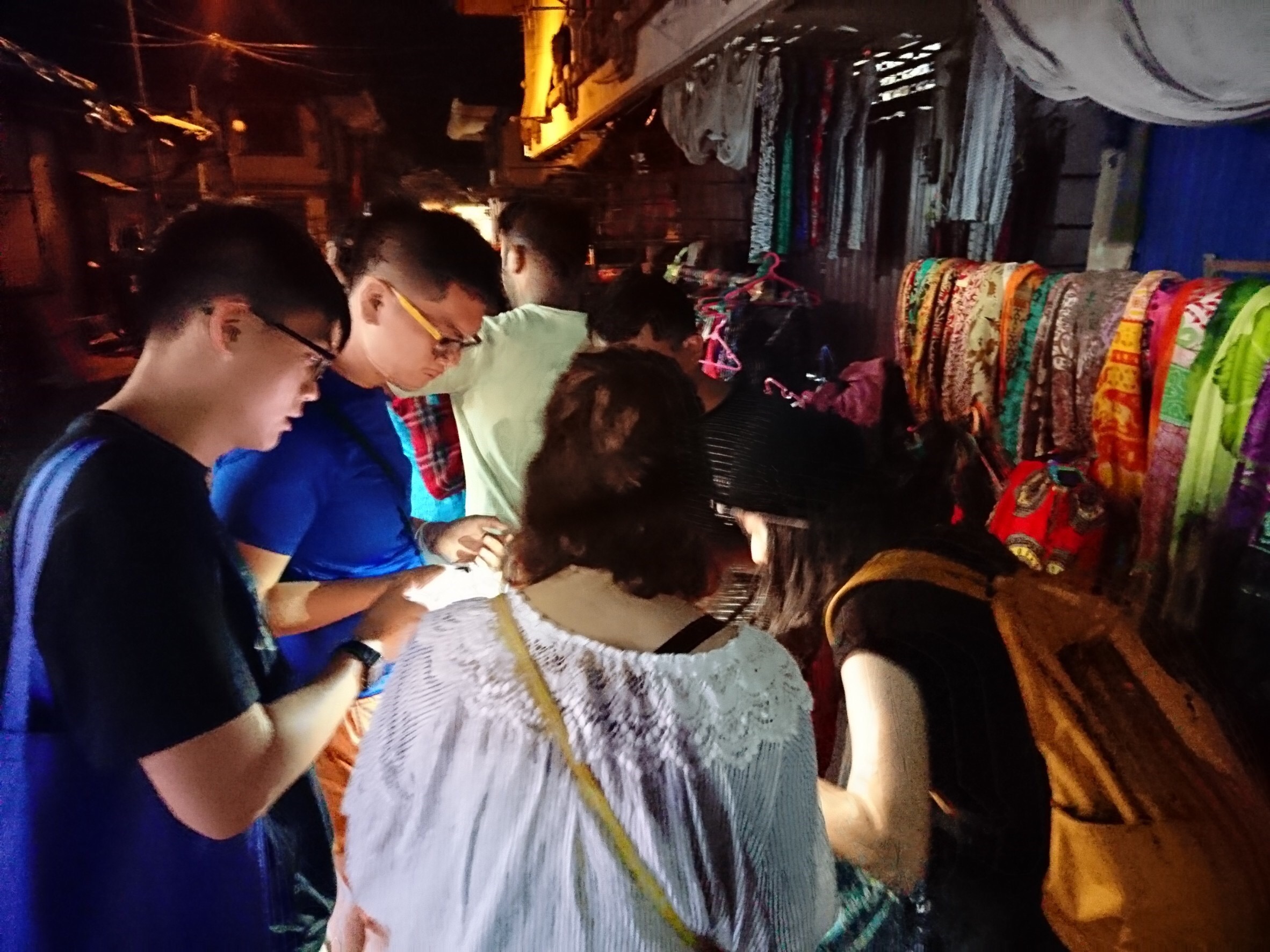
After the water activities in the morning, we went to Kuta Street. Kuta Street is a place to buy gifts. The atmosphere of the art market is similar to that sold by Ubud Market. Most of the souvenirs are like key rings and necklaces. Home decoration, sunglasses, clothing, etc., the most important thing is the large bargaining space.
Day 6 Drop off
The itinerary includes:
- Three meals a day (except the first day and the last day)
- Accommodation (hotel 3 stars)
- Airport transfer
- Three-day guided tour service
- Guide tip
- Three-day transportation fee
GALLERY